Faith and Sports Politics has increasingly shaped public discourse in South Asia, influencing identity, diplomacy, and regional stability in subtle but far-reaching ways. While religion and sport have long been powerful social forces in the region, their intersection with political ideology has created complex challenges that extend beyond domestic politics and into regional relations.
Majoritarianism is widely viewed by scholars of South Asian politics as a serious challenge to long-term regional stability. Academic analysis highlights how Hindu nationalism has affected democratic norms in India, prioritizing majoritarian identity over pluralism and shared civic space (LUMS MHRC). This ideological trend, often referred to as Hindutva, has shaped political narratives and public debate over the past several decades, influencing how citizenship, belonging, and national identity are understood.
Since 2014, these internal ideological dynamics have also influenced India’s external relations. Research on the subject notes that political narratives rooted in domestic identity politics can spill into foreign policy, affecting regional diplomacy and international engagement (University of Navarra – Global Affairs). Relations with neighboring Bangladesh have at times reflected this overlap, as domestic political rhetoric increasingly intersects with regional concerns about minority rights, migration, and security.
Concerns intensified following serious incidents of violence in Bangladesh in December 2025 involving members of the Hindu minority. In one case, authorities described the killing of a Hindu man as criminal rather than communal, a distinction emphasized by the interim government to prevent wider unrest (The Wire). Despite official clarifications, these incidents triggered debate in the region and heightened scrutiny of minority protection, accountability, and the role of political narratives in shaping cross-border perceptions.
Faith and Sports Politics in Regional Diplomacy
These tensions soon intersected with sport, particularly cricket, which occupies a unique cultural and emotional space in South Asia. During the 2026 Indian Premier League (IPL) mini-auction, Bangladeshi pacer Mustafizur Rahman was selected by an IPL franchise, drawing significant public attention and controversy (NDTV Sports). What might otherwise have remained a routine sporting decision became entangled in broader political narratives.
Public statements and calls for protests followed, including warnings from local religious figures about potential disruptions to matches (News18). Although the tournament continued with enhanced security arrangements, the episode highlighted how sporting platforms can become arenas for expressing political grievances and ideological positions.
This episode illustrates how Faith and Sports Politics can transform cultural platforms into sites of geopolitical tension. Cricket, often regarded as a unifying force capable of bridging political divides, was instead drawn into debates over nationalism, identity, and regional responsibility. The contrast between the sport’s commercial continuity and the surrounding political rhetoric underscored the growing influence of ideological polarization on public life.
Beyond sport, human rights organizations have documented broader patterns of concern related to communal polarization and civic freedoms. Reports note increased incidents of harassment and hate-based rhetoric in recent years, particularly during politically sensitive periods (Human Rights Watch – World Report 2025; Citizens for Justice and Peace). Media investigations have further highlighted a rise in inflammatory speech and its potential impact on social cohesion and democratic norms (CNN).
The broader implication is that when ideological rigidity intersects with influential platforms such as sport, culture, and media, it can deepen regional divisions and complicate diplomatic engagement. South Asia’s shared history and interconnected societies make such tensions particularly sensitive, as domestic narratives often resonate across borders.
Sustainable stability in South Asia depends on dialogue, legal consistency, and respect for pluralism rather than symbolic confrontation. While faith and sport will continue to play central roles in public life, their politicization risks undermining their potential to foster unity and mutual understanding. Addressing these challenges requires a renewed commitment to democratic values, minority protection, and constructive regional engagement—principles that remain essential for long-term peace and prosperity in the region.
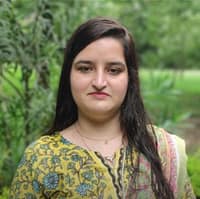
Nimra Khalil is a Pakistan-based geopolitical analyst and opinion writer specializing in international relations, security strategy, and great power competition in a multipolar world, with a focus on South Asia and the Asia-Pacific.